Google will send AI chips to orbit on 1 October. Data centres come next.
Google will send the AI chips it designs itself into orbit aboard a Falcon 9, SpaceX's workhorse rocket, on 1 October, The Register reported.
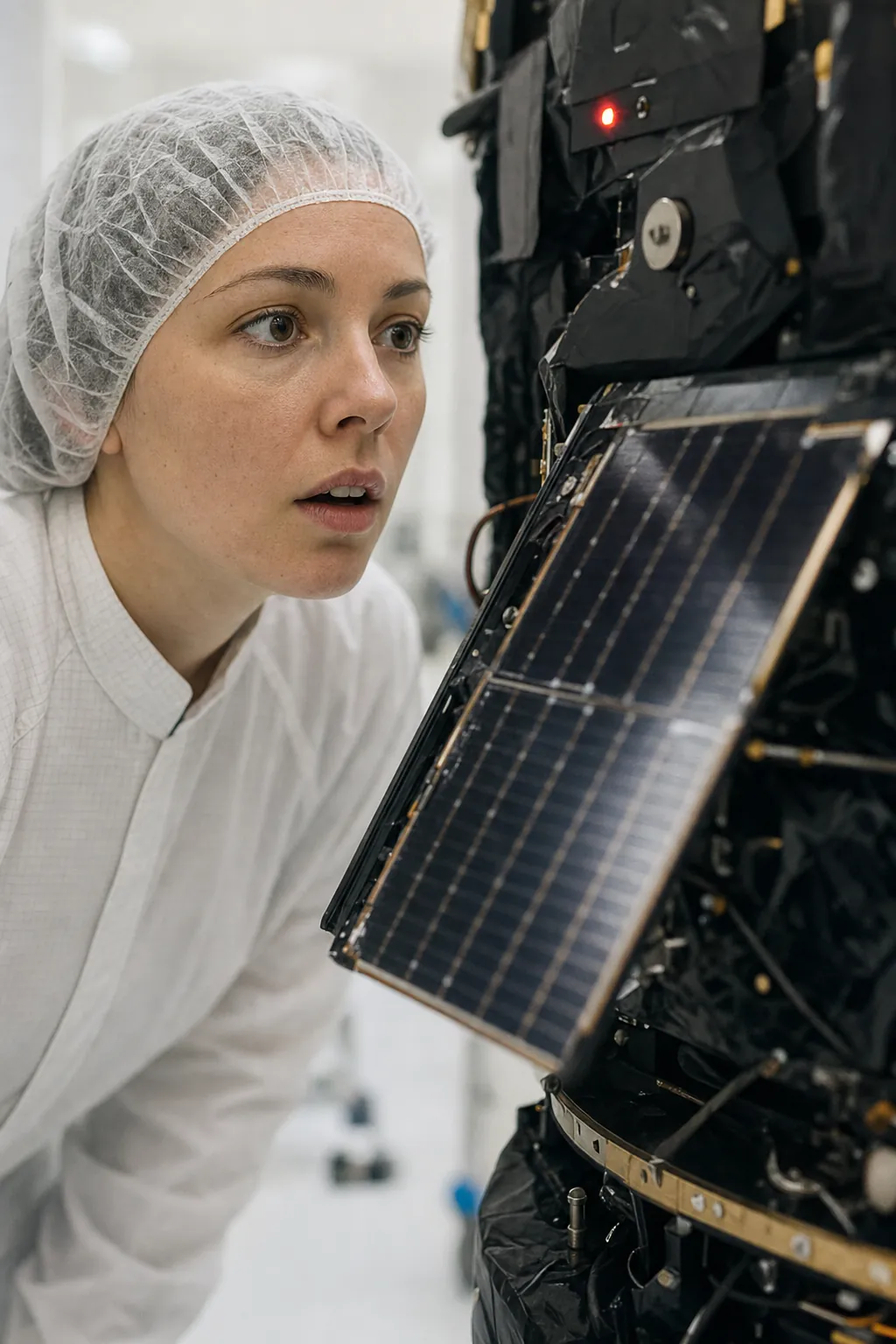
It is the first test of Project Suncatcher, Google's plan to put data centres in space.
The test asks whether the hardware survives the trip and still works in orbit. At launch the chips face as much as 50 to 100 times the force of gravity in amplified forces, The Register wrote. Radiation can flip bits in memory once they are up there, turning a stored one into a zero. Heat leaves only by radiating away, so each chip needs about 1.3 square metres of radiator panel.
Google ran the hardware on a vibration table and fired protons at it in a California laboratory, The Register wrote.
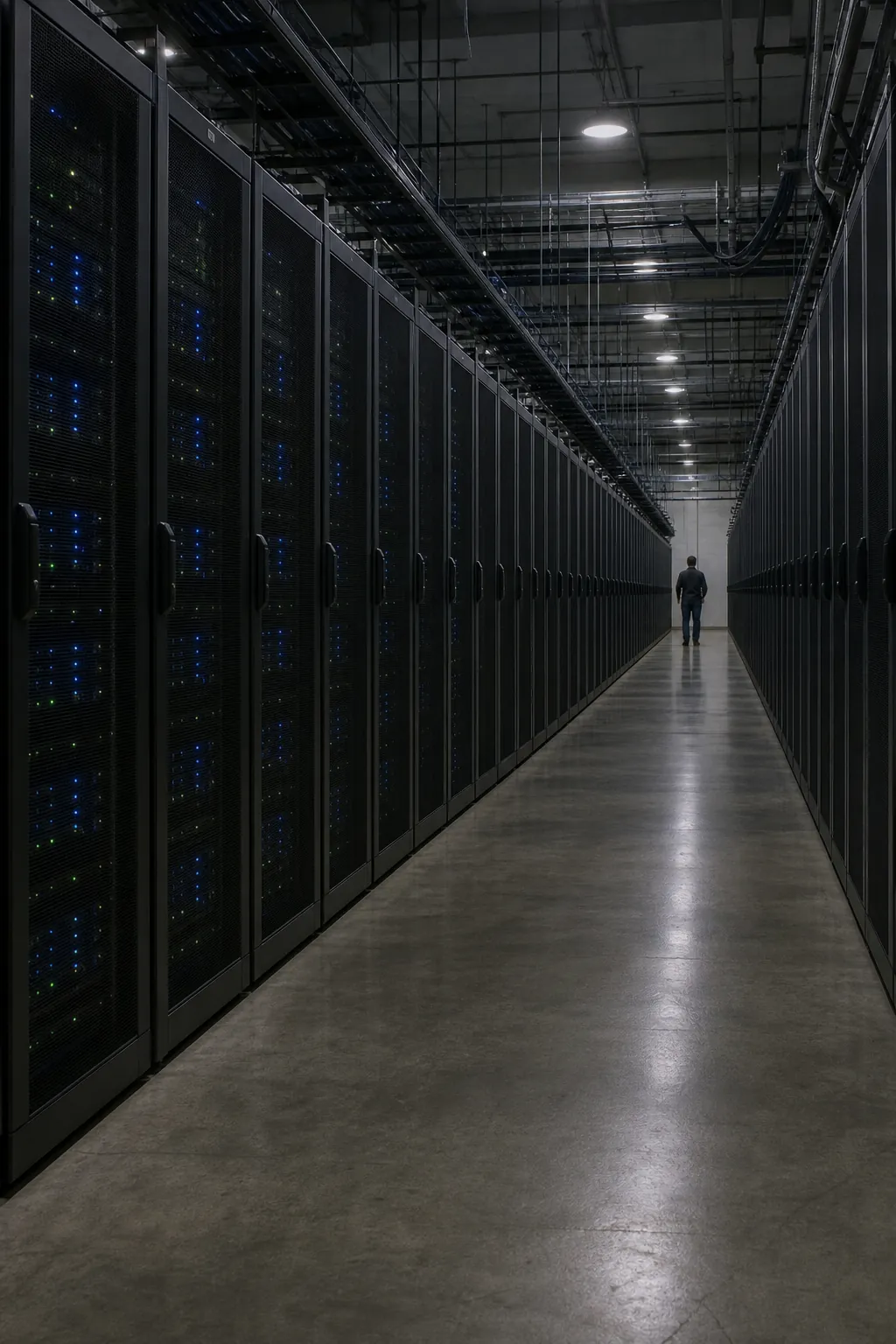
The attraction is computing in permanent sunlight. Data centres come next, if the economics work. Orbital, a space data centre startup, said the venture depends on launch prices falling from about $7,000 per kilogram to $10, The Register wrote.
Gartner analyst Bill Ray called orbital data centres "peak insanity" in February. He wrote that they "won't analyze data on Earth for Earth applications for decades, if ever."
If your AI plan runs to 2030, does it still assume every watt comes from a local power grid?
Image: AI-generated.
Sources
Our file on Google
- 7 Oct
Google signed for 890 megawatts from 11 old nuclear plants. Nobody builds new ones.
- 5 Oct
Google paused its open-source bug bounty after an AI report flood. Most were invalid.
- 1 Oct
Google pays about 100 publishers when their pages shape AI answers.
- 1 Oct
Google's new AI guessed wrong on 15% of questions it couldn't answer. OpenAI's 51%.
- 1 Oct
Trump ordered federal agencies to rename AI. The new word is Super Intelligence.
Every story here is open to read. The ERP LEADERS brief goes one step further.
The week in enterprise software, in one email: the stories that mattered, the failures with their figures, one case taken apart. Read a sample or sign up for the brief.
Welcome back. · Issue 01