
Revolut says self-hosted AI models cut its AI coding costs by roughly 90%. It dropped Anthropic's Claude Code as its default.
Revolut made self-hosted models its default for AI coding instead of relying primarily on commercial services like Anthropic's Claude Code, The Register reported.
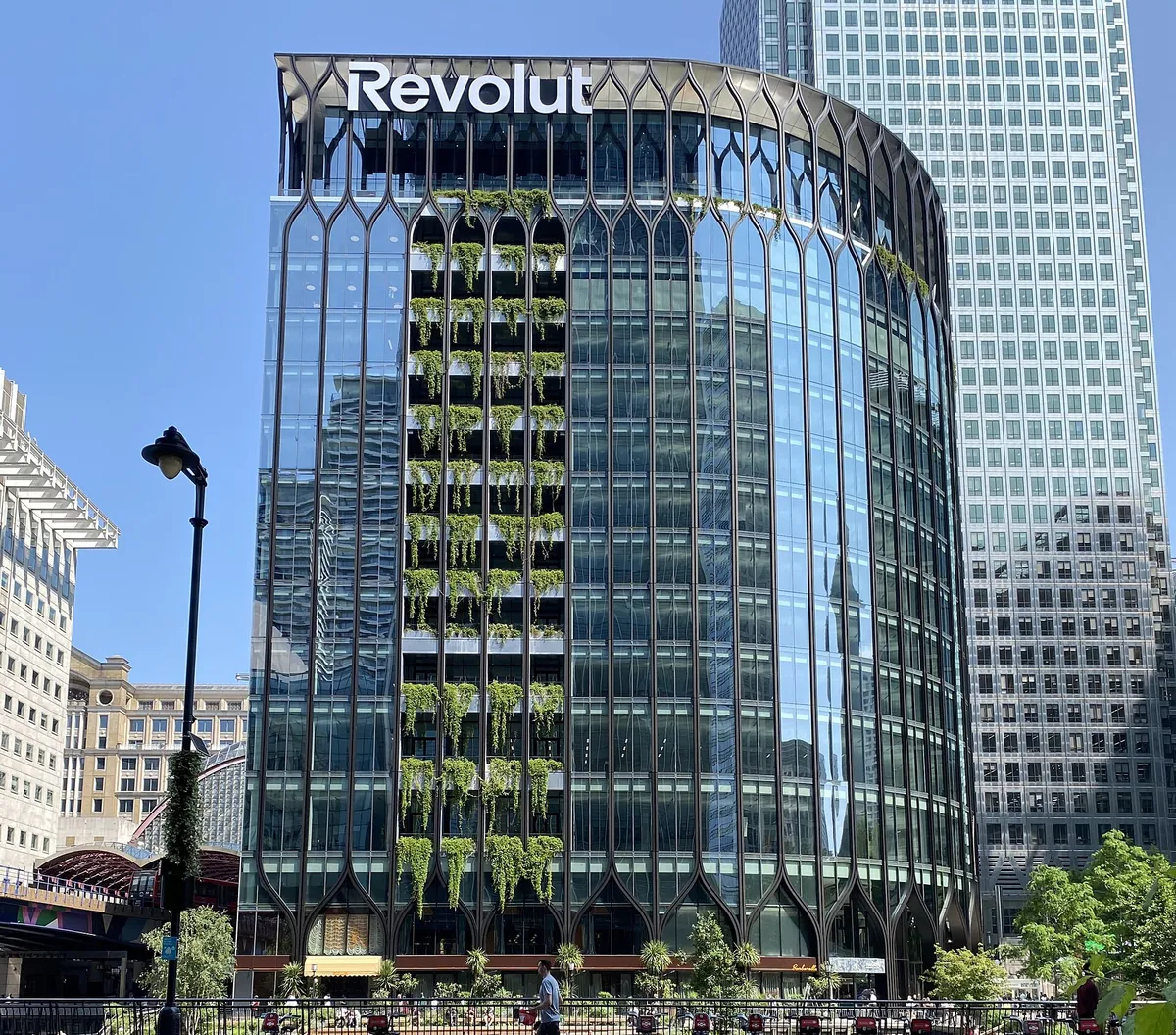
David Abitbol, ops and infrastructure lead at Revolut, told a conference: "We were seeing engineers spend $1,000 a month, $10,000 a month with not so much ROI."
Self-hosting GLM 5.1, a Chinese open-weights model, cost about a tenth of using Claude Code or OpenAI's Codex, at $0.30 per million tokens, the report said. Revolut has since moved to GLM-5.3 and runs it on 56 Nvidia B200 GPUs.
After rolling out AI coding tools to roughly 2,000 engineers, Revolut saw a 60 percent improvement in coding time and a 70 percent improvement in lead time. Abitbol said the biggest gains came from debugging and from Jira and Confluence tickets.
He acknowledged privacy concerns about Chinese models, saying the main risk is reaching them through APIs run from China. The model is text only, so Revolut still sends visual work to models like Gemini or GPT.
The report gives no cost for the 56 GPUs and no response from Anthropic, so the 90% cannot be set against the full hardware bill.
Sources
Our file on Revolut
All 2 Revolut storiesFor your next steering committee
- 1Ask which design decisions in your programme would be expensive to reverse, and when each was last reviewed.
- 2Ask which expected benefits change if the implementation approach changes.
- 3Ask who owns a decision to change course, and where it would be recorded.
Issue 01 of the ERP LEADERS brief puts a timeline, the three-number review and six questions on one page. Read issue 01
Welcome back. · Issue 01