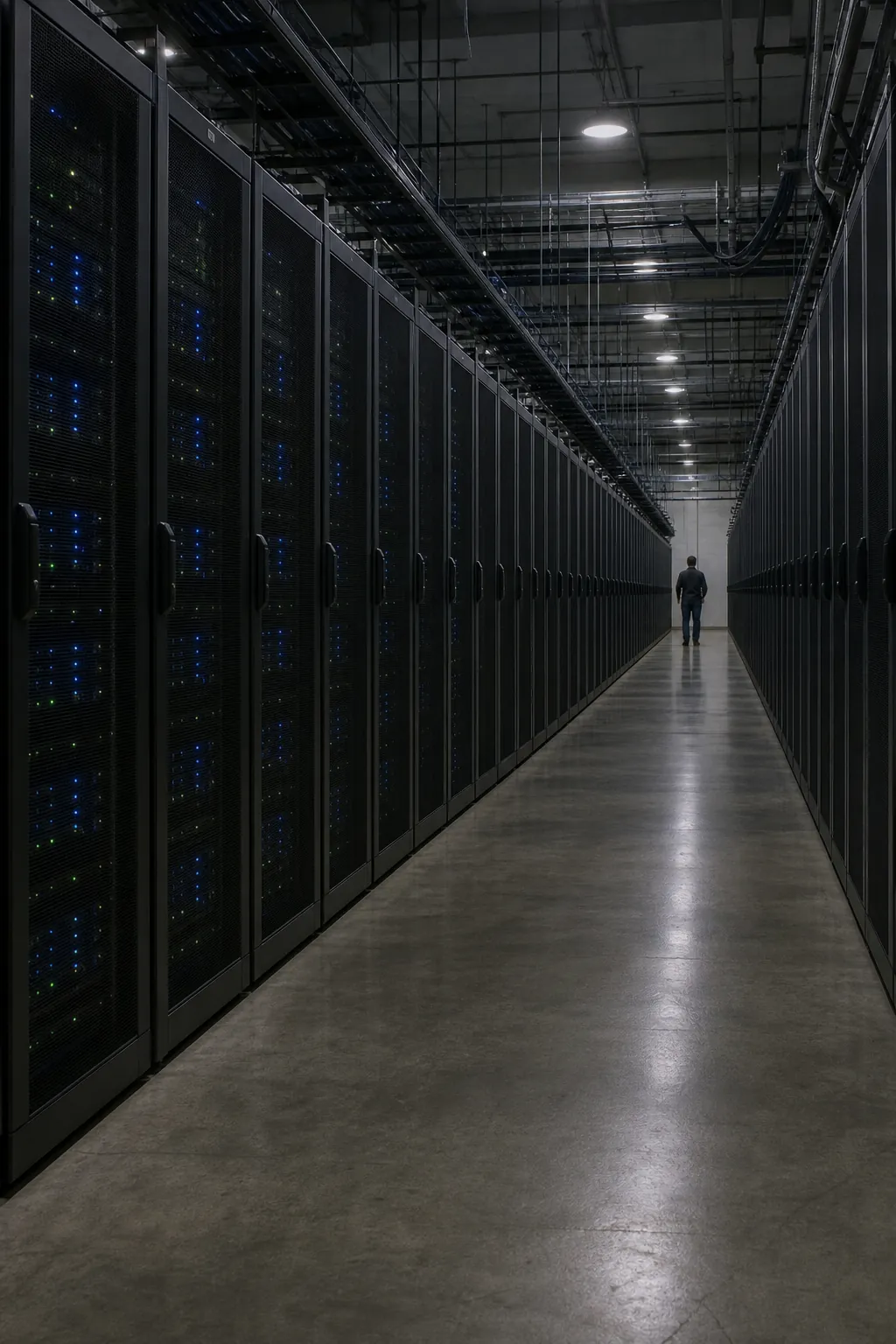
JPMorgan expects $4.1 trillion of AI debt by 2030. New borrowing just got pricier.
JPMorgan Chase estimated in June that $4.1 trillion of AI-related debt will be issued through 2030, CNBC reported on Sunday.

The 10-year U.S. Treasury yield, the benchmark for long-term borrowing, now sits near 5.17%. That is its highest since 2007 and about 1 percentage point above January. Borrowers now have to offer investors more.
CoreWeave, which rents out AI chips, said in its latest quarterly filing that, as of June, every 1 percentage point rise in rates could add $30 million to its interest costs on floating-rate debt.
SoftBank sold $11.1 billion of high-yield bonds this week, with the seven-year tranche yielding as much as 9.75%. Oracle has relied on debt for its AI build-out and is down about 30% this year.
Capital is concentrating on fewer of them. "Instead of a roster of 50 neoclouds, there's probably 20 that the market's truly interested in," Riley Thompson of Mitsubishi HC Capital America told CNBC. Neoclouds are companies that rent out AI computing.
Amazon, Google, Meta and Microsoft borrow more cheaply thanks to their investment-grade ratings, CNBC noted.
Does your AI budget assume today's cloud prices will hold for three more years?
Image: AI-generated.
Sources
Our file on JPMorgan
- 29 Sept
NVIDIA launched a safety net for AI agents. Microsoft and JPMorgan already use it.
- 22 Sept
JPMorgan's Dimon said tech giants' AI spending may hit $1 trillion.
For your next steering committee
- 1Ask which exit clauses your largest software and services contracts carry, and when each can be used.
- 2Ask what leaving would cost, in money and in months.
- 3Ask who reads the contract when a dispute starts, and whether they have read it before.
Issue 01 of the ERP LEADERS brief puts a timeline, the three-number review and six questions on one page. Read issue 01
Welcome back. · Issue 01