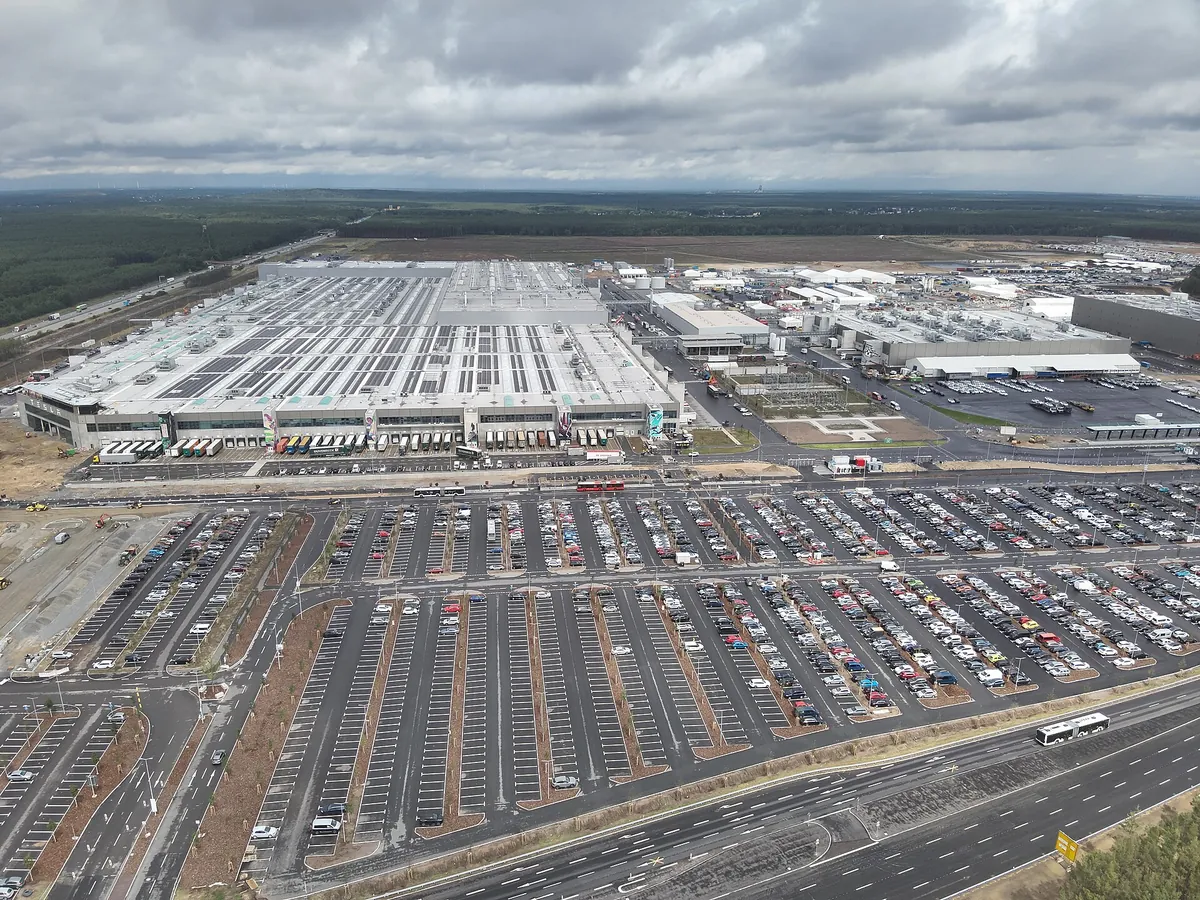
Anthropic said robots could do most physical tasks. They're cost-competitive on 0.3%.
Anthropic published research on Wednesday modelling which jobs are most exposed to robots.
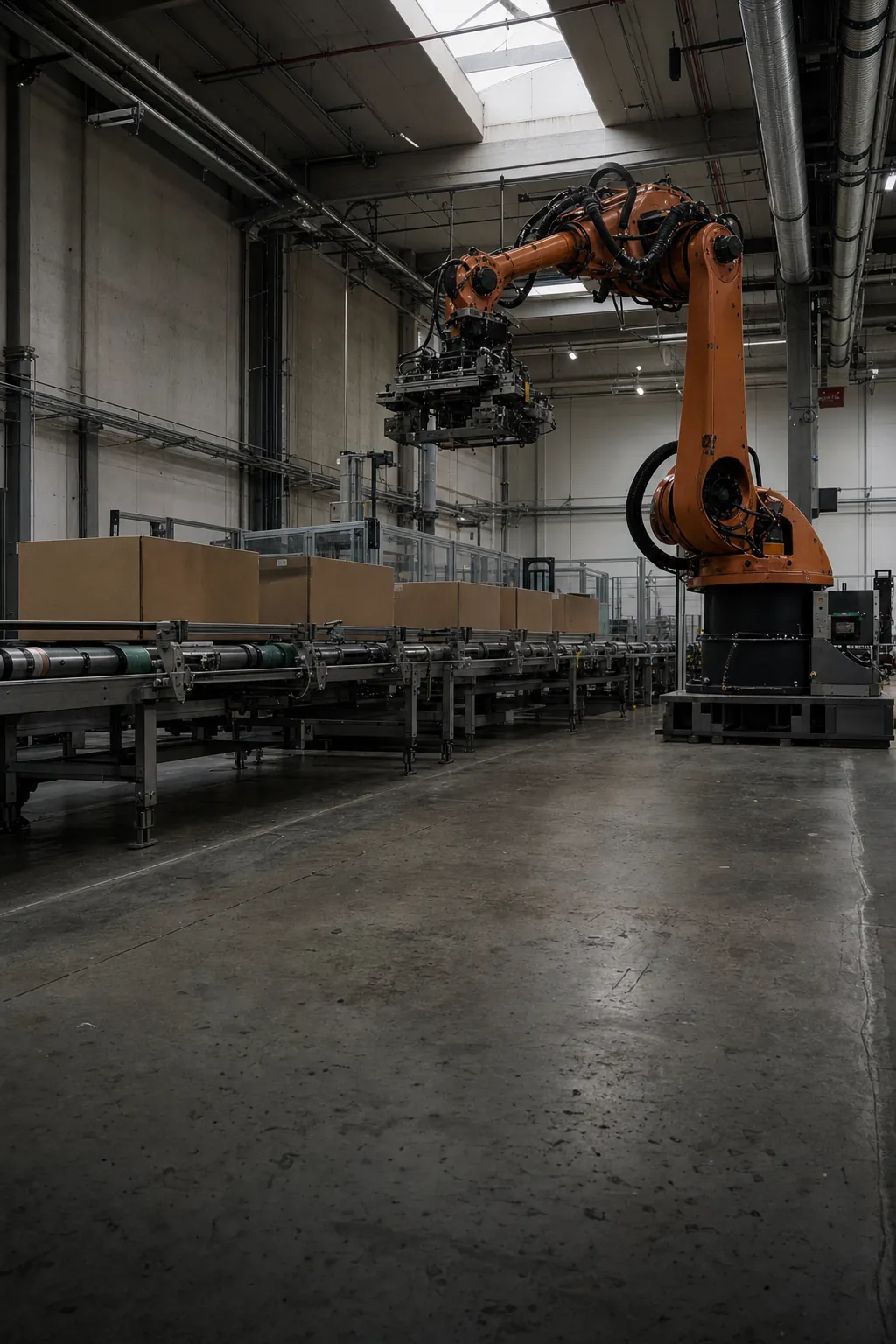
It separates what machines can do from what is worth paying for.
Anthropic defines robots as autonomous machines that sense and act. They can perform three-quarters of physical tasks in US jobs, accounting for 34% of working hours.
Yet Anthropic estimates robots are cost-competitive with people for just 0.3% of job tasks today. If robot prices keep falling as they have in the past, about 3% a year, Anthropic estimates it will take 40 years for that share to reach 10%.
Taxi drivers top its exposure index at 2.2. Nine of the ten most exposed jobs involve driving. Nursing and repair work sit at the other end.
These are Anthropic's estimates rather than counted job losses.
Which task in your warehouse would pass the cost test first?
Image: AI-generated.
Sources
Our file on Anthropic
- 7 Oct
Analysts said Claude subscribers use 42% of Anthropic's computing. They pay 10% of sales.
- 6 Oct
Microsoft planned $1 billion for employees using Claude. Then it cut over a third.
- 3 Oct
Epic stopped building new products for six weeks. An AI model found the flaws.
- 1 Oct
Trump ordered federal agencies to rename AI. The new word is Super Intelligence.
- 30 Sept
Anthropic said Sonnet 5.5 cut task costs up to 30%.
Every story here is open to read. The ERP LEADERS brief goes one step further.
The week in enterprise software, in one email: the stories that mattered, the failures with their figures, one case taken apart. Read a sample or sign up for the brief.
Welcome back. · Issue 01